
Rhinoplasty: Enhancing Nose Shape and Function – What to Expect Before, During, and After Surgery with Dr. Prasenjit Chattopadhyay
Rhinoplasty, commonly referred to as nose surgery, is a transformative procedure designed to improve both the aesthetic and functional aspects of the nose. Whether you’re seeking a more harmonious facial appearance, or you need a solution for breathing difficulties, rhinoplasty can provide lasting results. Dr. Prasenjit Chattopadhyay, an expert in facial surgeries, helps you understand the ins and outs of rhinoplasty—what to expect before, during, and after the procedure.
What is Rhinoplasty?
Rhinoplasty is a surgical procedure that reshapes the nose to enhance its appearance or improve its function. A common reason for rhinoplasty is to refine the nose’s shape to achieve a more balanced, symmetrical look that complements the rest of the face. It also helps correct functional issues, such as deviated septum, nasal obstructions, or other breathing problems.
For patients undergoing rhinoplasty, the primary goals are to improve the proportions of the nose to the face, enhance facial harmony, and address any breathing issues resulting from structural defects.
Benefits of Rhinoplasty
- Aesthetic Enhancement: Rhinoplasty is widely sought after for cosmetic reasons. Whether you have a bump on your nose, a drooping nasal tip, or asymmetry, rhinoplasty can help achieve a more balanced appearance.
- Improved Breathing: Many individuals seek rhinoplasty for functional reasons. By correcting structural issues such as a deviated septum or nasal blockages, the procedure can help restore easier and more efficient breathing.
- Boosted Confidence: Rhinoplasty can significantly enhance one’s self-esteem by improving facial aesthetics and resolving functional issues. Many patients report increased confidence post-surgery.
What to Expect Before Rhinoplasty Surgery
Before undergoing rhinoplasty, a thorough consultation with Dr. Prasenjit Chattopadhyay is essential. During the consultation, Dr. Chattopadhyay will:
- Discuss your goals for the surgery—whether you want to correct the shape of your nose or improve nasal breathing.
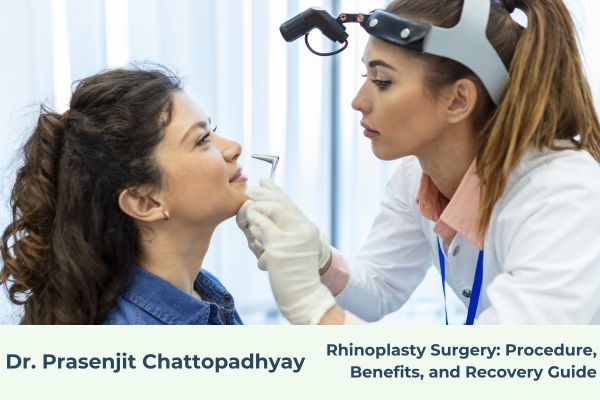
- Perform a physical examination of your nose and facial structure.
- Take photographs of your nose from different angles to plan the surgery and assess the outcome.
- Review your medical history, including any prior surgeries, allergies, or existing health conditions, to ensure you are an appropriate candidate for the procedure.
Dr. Chattopadhyay will also explain the surgical approach, including the type of anesthesia, incision placement, and potential risks involved.
What Happens During Rhinoplasty Surgery
Rhinoplasty is typically performed under general anesthesia or local anesthesia with sedation, depending on the complexity of the surgery. The surgery itself typically takes between 1 to 3 hours and involves one of two techniques:
- Closed Rhinoplasty: The incisions are made inside the nostrils, leaving no visible scars.
- Open Rhinoplasty: A small incision is made across the columella (the tissue between the nostrils) for more extensive reshaping.
Dr. Chattopadhyay will carefully reshape the cartilage and bone of the nose to meet the patient’s desired outcome, whether improving symmetry or correcting functional issues like septal deviation. If the patient is also having functional corrections, Dr. Chattopadhyay will address the underlying issues affecting breathing.
What to Expect After Rhinoplasty Surgery
After the surgery, patients will experience some swelling and bruising around the nose and eyes. Dr. Prasenjit Chattopadhyay provides specific post-operative instructions to ensure proper healing, including:
- Resting with your head elevated for the first few days to minimize swelling.
- Avoiding strenuous activities, including exercise, for several weeks after surgery.
- Gentle cleaning of the nasal area and avoiding any pressure on the nose.
- Keeping follow-up appointments with Dr. Chattopadhyay to monitor progress and ensure optimal healing.
The final results of rhinoplasty may take several months to fully manifest as swelling gradually subsides. In most cases, patients can return to their normal activities within 1 to 2 weeks.
Key Considerations for Rhinoplasty Patients
- Realistic Expectations: While rhinoplasty can dramatically improve the appearance and functionality of the nose, it is important to have realistic expectations. Dr. Chattopadhyay ensures that patients understand the likely outcome based on their specific goals and anatomy.
- Recovery Time: Swelling and bruising are common after rhinoplasty, but these typically subside within a few weeks. Full recovery can take several months, so patience is key.
- Long-Term Results: Rhinoplasty results are permanent, though the nose may change slightly over time due to aging or external factors. Ensuring proper aftercare and following Dr. Chattopadhyay’s advice is crucial for maintaining long-lasting results.
Final Thoughts
Rhinoplasty offers the dual benefits of enhancing the appearance and function of the nose. Whether you’re looking to correct cosmetic concerns or improve your ability to breathe, rhinoplasty is a highly effective solution. With Dr. Prasenjit Chattopadhyay, you can expect personalized care and expertise to guide you through each stage of the procedure. From your initial consultation to post-operative recovery, Dr. Chattopadhyay ensures that your journey toward a better nose is smooth and rewarding.